Sunday, December 14, 2025

How to Price Crochet Items For Sale ( A Simple Guide for Handmade Sellers)


Pricing crochet items can be one of the hardest parts of running a handmade business. Many crocheters undervalue their work, not realising how much time, skill, and creativity go into each piece. In this post, I’ll share how I price my crochet items for sale and the factors I consider to ensure my prices are fair to both my customers and me.

1. Cost of Materials

The first thing I calculate is the cost of materials. This includes:

  • Yarn

  • Buttons, zippers, or embellishments

  • Packaging (bags, labels, tags)

I divide the cost of the yarn by how much I actually use for the item. This ensures I’m not losing money before I even start.

Tip: Always keep your receipts or note how much each skein costs.

2. Time and Labour

Crochet takes time, patience, and skill. I track how long it takes me to complete an item and multiply that by an hourly rate.

For example:

  • If an item takes 4 hours

  • And I charge a reasonable hourly rate

  • My time is included in the final price

Your time matters—crochet is not just a hobby, it’s skilled labour.

3. Skill Level and Experience

Not all crochet items are the same. Complex designs, custom orders, or detailed stitching require more experience and expertise. I price these items higher because they reflect advanced skill and years of practice. They also take more time to make.

Handmade items should never be priced the same as factory-made products.

4. Overhead and Business Costs

I also factor in small business expenses such as:

  • Internet or platform fees

  • Marketing and promotions

  • Tools like hooks, scissors, and stitch markers

Even small costs add up, and your prices should help cover them.

5. Market Research

Before setting a final price, I research similar crochet items on platforms like Etsy, Instagram, and local markets. I don’t underprice myself just to compete—instead, I focus on quality, uniqueness, and handmade value.

Customers who appreciate handmade work understand fair pricing.

6. Profit Matters

Profit is not a bad word. It allows me to:

  • Buy more yarn

  • Improve my designs

  • Grow my crochet business

Without profit, a crochet business cannot survive.

Final Thoughts

Pricing crochet items is about respecting your craft and your time. When you price your items correctly, you attract customers who value handmade work and support small businesses.

If you’re a crocheter struggling with pricing, remember this: low prices don’t build sustainable businesses—fair prices do

Saturday, August 27, 2022

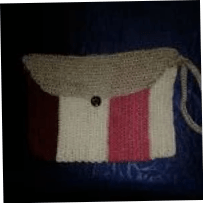
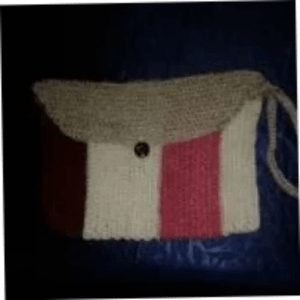
First Crochet Purse

 It was a dark and stormy night, and the wind was howling, just kidding :) . This is a story of my first try at creating a crochet purse.

My first try at crocheting something of use, more than just a square piece was a bumpy ride.

 My mom had some leftover nylon crochet thread that she gave to me. Side note, 

my mom have been crocheting for years using mainly nylon thread sometimes 

wool depending on the order. Up until now I have only been using wool thread 

when learning how to crochet, so this was going to be a journey. Materials used below.

Materials

-3mm crochet hook

-pink nylon thread

-cream nylon thread

-light brown nylon thread

-dark brown nylon thread

-a black button


Stitches- half double(hdc) (US) and chain


The first round of chain stitches was a headache mainly because my stitches were loose 

with this thread. I realised that the nylon thread had more slip because it was smother 

than the wool thread, which made the stitches easier to loosen and come out. Side note; 

I don't have the bag anymore, so I can't remember how much rows it took to make it and 

I used leftover thread. Throughout, making the rows to complete the body of the bag, 

I had a lot of setbacks because the stitches keep on coming out. This was my main

problem throughout the whole process.


After, I finished the body of the bag and slipped stitched the sides I moved on to the flap 

for the purse. I used the remaining thread, using hdc and decreasing going down until 

the flap looked triangular. Then I added a button so the flap could stay closed. Finally,

 I finished the bag but then I got this bright idea to add a strap mind you, I never made 

one before but why not? The strap consists of three rows of hdc which was then slipped

 stitched to the inside of the bag. So finally the purse is finished. It came out good for 

my first try and I am happy with it. Looking back I saw a lot of things that could have 

been done differently and better.


Thank you for visiting my blog and reading my story. I hope to see you next time for

 more stories, new patterns and much more. Bye :)


How to Price Crochet Items For Sale ( A Simple Guide for Handmade Sellers)

Pricing crochet items can be one of the hardest parts of running a handmade business. Many crocheters undervalue their work, not realising h...